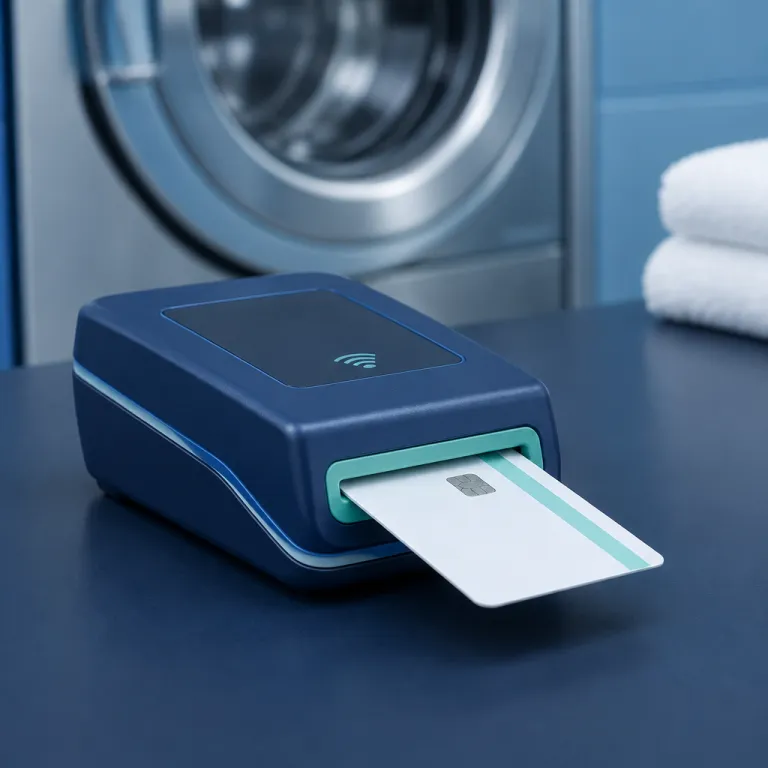
Reframing laundry as a financial asset in hotel portfolios
For hotel finance leaders, a smart card operated washer and dryer strategy can quietly reshape ancillary profit. When a hotel treats its guest and staff laundry facilities as a commercial asset, the investment case for modern payment systems becomes as rigorous as any room renovation. A structured approach to operated laundry turns a cost center into a predictable revenue stream.
In multi housing style properties, from extended stay hotels to branded residences, commercial laundry performance now influences both guest satisfaction and asset valuation. A well specified mix of commercial grade operated washers and electric dryer units, aligned with clear key features and pricing, can lift high laundry throughput without expanding the physical space. This is where a card-based laundry model, using a closed loop or open loop card, outperforms legacy coin operated machines in both revenue and control.
Finance directors increasingly benchmark washers dryers performance with the same discipline they apply to rooms and F&B revenue. They track average load per cycle, energy consumption per kilogram, and revenue opportunities per square metre of laundry facilities. When the operated systems are digital, every card operated transaction generates data that can be reconciled with hotel payment systems and general ledger accounts.
From coin operated legacy to digital payment systems in hospitality
Many hotel portfolios still rely on coin operated laundry rooms that leak revenue and management time. Cash handling, coin jams, and opaque usage patterns make it difficult for asset managers and banks to underwrite upgrades to a modern card operated washer and dryer fleet. Yet the shift from coin to cashless laundry systems is now a textbook example of how hospitality payment systems can unlock operational efficiencies.
In markets such as New Zealand, where multi housing style aparthotels and student residences share infrastructure with hotels, investors already treat commercial laundry as a micro utility. Finance leaders following regional hospitality investment news see how digital payment systems for operated laundry reduce cash risk and support bank grade audit trails. A card operated model also enables differentiated offers for guests, staff, and external customers, with tailored pricing per cycle and per load.
Replacing coin with credit card acceptance on each commercial machine changes the economics of the space. Customers gain a frictionless option to pay with a branded card, a mobile wallet, or a prepaid hotel card, while the hotel gains real time visibility on revenue and machine uptime. For lenders and funds, the combination of predictable cash flows and lower duty construction maintenance costs strengthens the case for financing heavy duty washers dryers upgrades.
Designing the business case for card operated washer and dryer investments
When building a business case, the finance team must quantify both direct and indirect revenue opportunities from a card operated washer and dryer rollout. Direct gains come from higher utilisation of commercial grade operated washers and electric dryer units, dynamic pricing per cycle, and reduced cash handling losses. Indirect gains include improved guest retention, better staff productivity, and lower energy and water consumption per load.
To convince investors and banks, model scenarios that compare a traditional coin operated system with a fully digital card laundry platform. Include assumptions on high laundry demand peaks, such as group stays or long stay guests, and show how payment systems with credit card and mobile acceptance can smooth usage across the day. A clear view of key features such as remote monitoring, variable speed control, and automated alerts for heavy duty construction failures will reassure lenders about operational risk.
As a worked example, consider a 150-room extended stay hotel replacing ten coin operated machines with ten commercial card operated units. If average paid cycles rise from 3,000 to 3,800 per machine per year at an average price of NZD 6 per cycle, annual gross laundry revenue increases from NZD 180,000 to NZD 228,000. Assuming equipment and installation costs of NZD 220,000, utility savings of NZD 12,000 per year from high efficiency washers dryers, and a 45 % ancillary margin, the simple payback period falls in the range of four to five years, which aligns with benchmarks reported in manufacturer ROI calculators and hotel asset management case studies.
Choosing between Speed Queen, Whirlpool and other commercial laundry brands
Brand selection for a card operated washer and dryer fleet is not just an engineering decision. For hotel investors, the choice between Speed Queen, Whirlpool, and other commercial laundry manufacturers directly affects lifecycle cost, uptime, and residual value. A rigorous comparison of commercial grade specifications, duty construction quality, and payment systems compatibility is essential.
Speed Queen has built a strong reputation in multi housing and hospitality environments for its heavy duty operated washers and electric dryer units. Its high speed extraction, robust drum design, and flexible card operated modules make it attractive for hotels seeking long asset life and stable cash flows. Whirlpool, by contrast, often appeals where space constraints and mixed use laundry facilities require compact washers dryers with efficient energy and water profiles.
Finance directors should request detailed offers that specify key features such as maximum load capacity, cycle time at high speed, and energy consumption per kilogram. They should also assess how easily each brand integrates with existing hotel payment systems, including credit card gateways and property management systems. A well negotiated commercial contract can include revenue sharing options with operators, extended warranties, and performance based service level agreements.
Operational design: from laundry cart flow to guest payment experience
Once the investment decision is made, operational design determines whether a card operated washer and dryer installation delivers its financial promise. The physical layout of laundry facilities, from the placement of each laundry cart to the circulation of staff and guests, influences both throughput and perceived quality. Poorly planned space leads to bottlenecks, idle machines, and frustrated customers.
In guest facing areas, the payment journey must be as refined as any front desk interaction. Clear signage explaining how to use the card operated system, whether via hotel key card, dedicated laundry card, or open loop credit card, reduces support calls and improves satisfaction. Hotels can also design tiered offers, such as premium high laundry cycles with faster speed and lower energy use, priced above standard cycles for guests who value time.
Back of house, commercial laundry operations for linens and towels require a different configuration of heavy duty operated washers and electric dryer units. Here, the focus is on high load capacity, short cycle times, and seamless cart movement between washers dryers and storage. Finance leaders should ensure that the same digital payment systems and monitoring tools used for guest laundry also track internal cost allocation between departments.
Embedding laundry payments into the wider hotel fintech strategy
A modern card operated washer and dryer network should not sit in isolation from the hotel’s broader fintech stack. When laundry payment systems connect via API to the property management system and central finance platform, every card and credit card transaction can be reconciled automatically. This reduces manual work for the finance team and strengthens auditability for banks and funds.
Forward looking hotel groups already treat ancillary payment flows as part of a unified profit engine. By aligning laundry facilities with the same data driven approach described in this secure profit engine framework for hotel finance leaders, they capture granular data on usage, pricing elasticity, and customer behaviour. These insights help refine offers, from bundled laundry packages for long stay guests to staff discounts that still protect margin.
For asset managers and lenders, a fully digital operated laundry environment signals strong governance and modern risk management. It shows that the hotel can monetise every square metre of commercial space, from the smallest laundry cart bay to the largest queen room floor. Over time, this disciplined approach to washers dryers, payment systems, and ancillary revenue can support higher valuations and more attractive financing terms.
Key statistics for hotel laundry investments
- Commercial laundry equipment in hospitality typically represents 3 % to 5 % of total hotel capex, yet can generate ancillary revenue margins above 40 % when operated with digital payment systems and optimised pricing (ranges reported in manufacturer investment guides and hotel asset management research from global advisory firms).
- Hotels that replace coin operated machines with card operated washer and dryer systems often report laundry revenue increases of 20 % to 30 %, driven by higher utilisation and reduced cash leakage (figures cited in multi housing and hospitality operator case studies from North America and Europe, including documentation from leading vendors of cashless laundry platforms).
- High efficiency commercial grade washers dryers can reduce water consumption by up to 40 % and energy use by around 25 % compared with older models, directly improving EBITDA through lower utility costs (performance ranges drawn from manufacturer technical spec sheets and sustainability whitepapers from brands such as Speed Queen and Whirlpool).
- In extended stay and serviced apartment segments, properties with well designed guest laundry facilities can achieve guest satisfaction scores that are 10 to 15 points higher than comparable assets without such amenities, supporting higher average daily rates and longer length of stay (survey results reported in global hotel operator benchmarking reports and industry research publications).
FAQ about card operated washer and dryer strategies in hotels
How does a card operated washer and dryer system improve hotel cash flow ?
A card operated washer and dryer system improves cash flow by eliminating cash handling, reducing losses from coin jams, and enabling dynamic pricing per cycle. Every transaction is captured digitally, which accelerates reconciliation and reduces working capital tied up in manual processes. This transparency makes laundry revenue more predictable and easier to finance.
What are the main financial advantages of replacing coin operated machines ?
Replacing coin operated machines with digital card laundry platforms typically increases revenue and reduces operating costs. Hotels benefit from higher utilisation, fewer service calls related to coins, and lower security risks from on site cash. The combination of better data and lower maintenance often shortens the payback period on new commercial grade equipment.
Which key features should finance directors prioritise when selecting commercial laundry equipment ?
Finance directors should prioritise high load capacity, short cycle times, and energy efficient performance when selecting commercial laundry equipment. They should also ensure that operated washers and electric dryer units integrate seamlessly with existing payment systems and property management tools. Robust duty construction and strong after sales support are essential to protect long term ROI.
How can hotels integrate laundry payments into their wider fintech strategy ?
Hotels can integrate laundry payments by connecting card operated systems to central payment gateways and finance platforms via secure APIs. This allows every card and credit card transaction to flow directly into accounting, alongside room and F&B revenues. Unified reporting then supports better capital allocation and more accurate forecasting.
Are Speed Queen and Whirlpool suitable for both guest and back of house laundry ?
Both Speed Queen and Whirlpool offer commercial grade ranges suitable for guest facing and back of house laundry facilities. The optimal mix depends on space constraints, required capacity, and the balance between guest self service and internal linen processing. A detailed technical and financial comparison helps determine which brand, or combination, best matches the hotel’s revenue and operational objectives.