Hotelverse at Fitur as a catalyst for new hotel asset economics
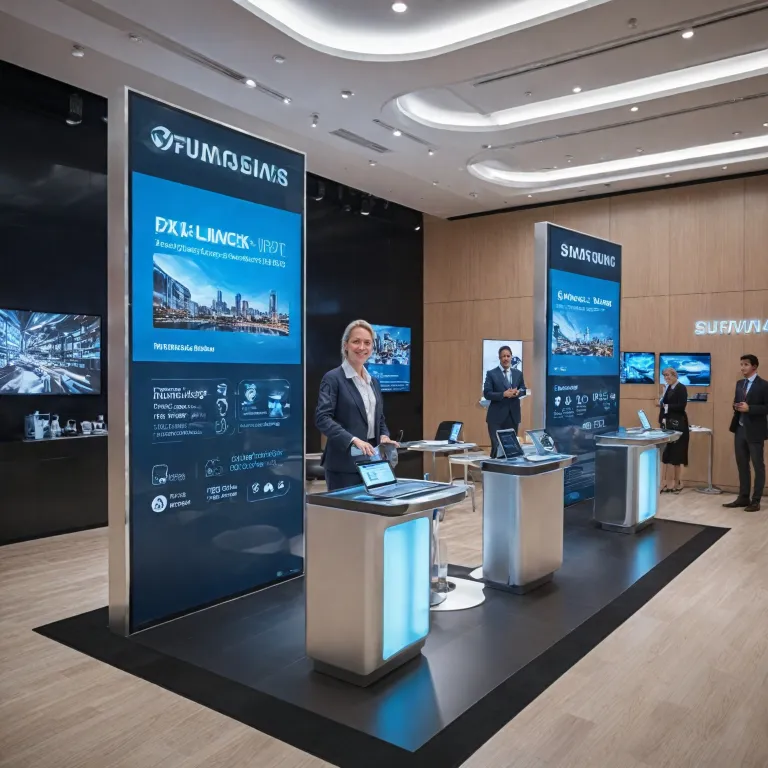
At Fitur in Madrid, the Hotelverse stand has become a strategic laboratory for rethinking hotel asset value. For financial directors and investors, the combination of digital twin technology, granular room selection, and real time pricing opens a new chapter in how a hotel balance sheet captures guest experience. The hospitality industry is quietly shifting from selling anonymous room types to monetizing specific rooms as differentiated micro assets.
Hotelverse positions its digital twin platform as a bridge between hotel technology and capital allocation, and this is particularly visible at Fitur. By turning every room into a visualized, bookable asset, the company enables hotels and hotel groups to capture incremental revenue from guests willing to pay more for exact views, layouts, or floors. This is not only a commercial innovation ; it is a structural change in how revenue management and hotel management can be modelled in discounted cash flow projections.
For lenders, funds, and asset managers, the hotelverse fitur 2025 conversation is less about gadgets and more about predictable cash flows. When 73 percent of guests say they prefer to select their room number and pay on average 69 euros extra, the revenue uplift becomes bankable. As Hotelverse and BEONx present joint capabilities, the hospitality sector gains a clearer framework to translate guest centric technology into higher net operating income and, ultimately, higher hotel valuations.
Digital twins, hyper personalization and the new underwriting of hotel cash flows
Digital twins are no longer a theoretical concept for the hospitality sector ; at Fitur they are a live underwriting tool. A hotel digital twin allows investors to see how each room, corridor, and view can be priced differently, then linked to demand curves and booking behavior. This level of operational transparency is particularly relevant for banks and funds assessing covenant headroom and stress scenarios.
Hotelverse and its hotelverse digital platform give hotel management teams the ability to simulate guest flows, upsell potential, and direct bookings versus intermediary channels. When combined with BEONx revenue management algorithms, the hotelverse beonx partnership can model how hyper personalization affects RevPAR, GOPPAR, and cash conversion. For financial institutions, this means that hotel technology is no longer a cost center but a measurable driver of operational efficiency and risk mitigation.
At hotelverse fitur 2025, artificial intelligence is embedded in both the digital twin and the revenue management engine, enabling real time adjustments to pricing and inventory. This is where Fitur’s focus on sustainability and asset resilience intersects with finance, because more precise demand forecasting reduces waste and stabilizes margins. For investors evaluating long term asset value and environmental performance, resources such as this analysis of how strategic air quality management reshapes hospitality investment and asset value complement the digital twin narrative by linking guest comfort, ESG metrics, and pricing power.
From media buzz to balance sheet impact for hotel groups and lenders
Industry news around hotelverse fitur often focuses on media visibility and impressive visitor numbers, but the deeper story is financial. With 255 000 visitors and 155 000 professionals, Fitur concentrates a critical mass of decision makers who influence capital flows across the global hospitality industry. For hotel groups, this is the moment to translate technology showcases into concrete commitments on ADR uplift, length of stay, and channel mix.
Hotelverse, BEONx, and other technology partners use the Fitur platform to demonstrate how digital twins and artificial intelligence can support more resilient underwriting assumptions. When a hotel can show that guests consistently pay a premium for specific rooms, lenders can adjust loan to value ratios and debt service coverage expectations. Asset managers can then integrate these new revenue streams into asset business plans, aligning hotel management contracts, incentive fees, and capex schedules.
For investors comparing hotels with alternative travel assets such as vacation rentals, the ability to monetize guest experience at room level is a competitive differentiator. Analytical resources like this piece on evaluating hotel property value with advanced financial methods help contextualize how hotelverse fitur 2025 innovations feed into valuation models. Ultimately, the media attention around hotelverse and beonx at Fitur matters because it signals a broader shift in how the sector prices uniqueness, scarcity, and guest intimacy.
Operational efficiency, direct bookings and the economics of guest experience
For CFOs and asset managers, the most compelling aspect of hotelverse fitur 2025 is the link between guest experience and operational efficiency. A hotel digital twin does not only enable room selection ; it also provides data on how guests move, what they prefer, and where friction occurs. This information can be used to optimize staffing, housekeeping routes, and maintenance schedules, directly impacting operating margins.
Hotelverse digital capabilities, when integrated with BEONx revenue management, allow hotels to steer demand toward higher margin inventory and direct bookings. By visually showcasing specific rooms and their attributes, hotels can reduce reliance on intermediaries and improve the profitability of each hotel booking. Over time, this shift in channel mix can materially change the risk profile of a hotel portfolio, which is particularly relevant for banks and funds financing large hotel groups.
At hotelverse fitur, discussions around artificial intelligence focus on how algorithms can personalize offers in real time without overwhelming guests. Hyper personalization, when executed through a robust hotel technology stack, can increase conversion while keeping acquisition costs under control. For investors tracking broader travel and hospitality sector dynamics, analyses such as this article on how vacation rental industry news is reshaping hotel finance provide a useful benchmark for understanding how direct bookings and digital twins reposition hotels within the wider travel ecosystem.
Artificial intelligence, risk management and capital allocation in hospitality
Artificial intelligence is emerging as a central theme at hotelverse fitur 2025, particularly in the context of risk management and capital allocation. For banks and institutional investors, AI driven forecasting can reduce uncertainty around seasonality, event driven spikes, and macroeconomic shocks. When combined with digital twins, AI can simulate multiple demand scenarios at room level, offering a more nuanced view of downside risk.
Hotelverse, BEONx, and their hotelverse beonx collaboration demonstrate how AI can support both revenue management and cost control in hotels. By analyzing guest behavior across thousands of bookings, the systems can recommend optimal pricing, upsell strategies, and even capex priorities. This is particularly valuable for hotel groups managing diversified portfolios across regions, brands, and positioning within the hospitality sector.
For asset managers, the integration of hotel technology into investment committee discussions is becoming standard practice rather than an exception. Hotelverse fitur conversations increasingly revolve around how digital tools can support ESG reporting, operational benchmarks, and scenario planning for refinancing. In this context, the hospitality industry is moving toward a model where technology, finance, and guest experience are inseparable components of a single investment thesis.
Strategic implications of hotelverse fitur for future hospitality investment
Fitur in Madrid has always been a barometer for the travel industry, but the rise of hotelverse and beonx has turned it into a reference point for hotel finance. The convergence of digital twins, artificial intelligence, and revenue management at hotelverse fitur 2025 signals a structural revaluation of hotel assets. For financial directors, this means that technology roadmaps must now be integrated into long term capital planning and debt strategies.
Hotelverse’s work with digital twins shows that guest experience can be quantified and priced, transforming intangible preferences into tangible revenue streams. BEONx complements this by embedding those streams into sophisticated revenue management models that lenders and investors can scrutinize. As more hotels and hotel groups adopt these tools, the hospitality industry will likely see a widening performance gap between properties that embrace hotel technology and those that lag behind.
For media covering industry news, the narrative around hotelverse fitur is therefore not only about innovation but about the redistribution of value within the sector. “Hotelverse is a technology company that provides digital twin platforms for hotels, enabling guests to select specific rooms during the booking process.” “FITUR is an international tourism trade fair held annually in Madrid, Spain, showcasing advancements and trends in the tourism industry.” “How many visitors attended FITUR 2025? FITUR 2025 attracted 255,000 visitors, including 155,000 professionals from 156 countries.” “What is digital twin technology in the hospitality industry? Digital twin technology in hospitality involves creating virtual replicas of hotel rooms, allowing guests to view and select specific rooms during the booking process.” “How much additional revenue can hotels generate by allowing guests to select specific rooms? On average, guests are willing to pay an additional 69 euros to select a specific hotel room, indicating a significant potential for increased revenue.”
Key quantitative signals for investors and lenders
- Number of visitors at Fitur : 255 000 people, indicating strong global engagement with the hospitality sector.
- Number of professionals attending Fitur : 155 000 people, representing a dense concentration of decision makers.
- Number of companies represented at Fitur : 9 500 companies, underlining the breadth of hotel, travel, and technology stakeholders.
- Number of countries represented at Fitur : 156 countries, confirming the event’s role as a global reference point for hotel investment.
- Hotelverse revenue : 1,5 million euros, signalling growing market traction for digital twin solutions in hotels.
- Percentage of guests preferring to select their hotel room number : 73 percent, supporting the business case for room level monetization.
- Average additional amount paid by guests to select a specific hotel room : 69 euros, a material uplift for revenue management models.
Key questions from financial and investment stakeholders
What is Hotelverse and why does it matter for investors ?
Hotelverse is a specialist in digital twin platforms for hotels, enabling guests to select specific rooms during the booking process. For investors, this capability transforms static room inventory into differentiated assets with measurable price premiums. The resulting uplift in revenue and guest satisfaction can support higher valuations and more resilient cash flows.
How does Fitur influence hotel finance and investment strategies ?
Fitur brings together tourism, hospitality, and technology leaders in Madrid, creating a concentrated environment for deal making and strategic partnerships. For banks, funds, and hotel groups, the event is an opportunity to benchmark technology solutions, negotiate financing, and align on long term growth plans. The prominence of hotelverse fitur 2025 themes shows how digital innovation is now central to those financial discussions.
Why is digital twin technology relevant to lenders and asset managers ?
Digital twin technology allows hotels to create virtual replicas of rooms and public spaces, making it easier to test pricing, layouts, and guest journeys. Lenders and asset managers can use the resulting data to refine underwriting assumptions, stress test scenarios, and validate business plans. This reduces information asymmetry and supports more accurate risk pricing for hotel loans and equity investments.
What role does artificial intelligence play in hotel revenue management ?
Artificial intelligence analyzes large volumes of booking, pricing, and behavioral data to recommend optimal rates and inventory allocations. In combination with platforms such as BEONx, AI can adjust strategies in real time as demand patterns shift. This leads to more precise revenue management, better cost control, and improved profitability across hotel portfolios.
How can hotel groups translate guest experience into higher asset value ?
By using tools like Hotelverse digital twins and AI driven revenue management, hotel groups can monetize specific aspects of guest experience, such as views, layouts, and personalization. These incremental revenues, when stable and repeatable, feed directly into higher net operating income and thus higher asset valuations. Over time, investors will likely reward portfolios that systematically capture and scale these guest centric revenue streams.
